A UK Buyer’s Guide to Organic Crib Mattresses: Materials, Standards, and Practical Tips
This guide helps UK readers understand organic crib mattresses, focusing on safe materials, key certifications, and practical steps for choosing a non-toxic sleep surface for babies. It unpacks what certifications mean and how to compare options without promotional bias.
In a country famed for its adherence to rigorous safety and environmental standards, the crib mattress market sits at a delicate crossroads of comfort, chemistry, and confidence. Parents want to cradle their infants on surfaces that feel pure and responsible, yet the landscape is crowded with terms that sound promising but may obscure critical detail. The goal of this guide is to illuminate the key materials that go into organic crib mattresses, explain what the major certifications actually certify, and offer a practical decision framework tailored to UK households.
1) The core question: What makes a crib mattress organic in the UK?
“Organic” in the crib mattress arena is not a single ingredient or a single certification. Instead, it is a collection of claims about materials, manufacturing processes, and finished-product safety. At its heart, an organic crib mattress aims to minimize synthetic chemical exposure for the most vulnerable sleepers—infants who spend long hours in close contact with their mattress. In the UK, shoppers should look for products built from natural fibers and free from flame retardants and other chemical additives that can migrate into a baby’s environment.
The primary pathway to verifiable organic status rests on recognized certifications and transparent material disclosures. The two most consequential markers are GOTS (Global Organic Textile Standard) and OEKO-TEX, with GOTS often serving as the umbrella for organic textiles that extend through the fiber stage to the finished product. A GOTS-certified crib mattress typically signals that the fabric and many of the layers within have met stringent environmental and social criteria across supply chains. OEKO-TEX, on the other hand, provides a set of independent product-level tests that help assure low levels of potentially harmful substances, offering reassurance about consumer safety.
2) Materials that shape a baby’s sleep surface
Crib mattresses blend several layers to deliver a surface that is supportive, breathable, and easy to clean. When the focus is organic and non-toxic, the following materials frequently appear:
- Organic cotton covers: A GOTS-certified cotton shell acts as a primary barrier against contaminants while providing breathability and a hypoallergenic interface with the baby’s skin. Organic cotton reduces chemical exposure compared to conventional cotton, which is often treated with finishing chemicals.
- Natural latex cores (Dunlop or Talalay): Natural latex offers durable, mold-resistant support with excellent airflow. When derived from responsibly managed sources and used without synthetic additives, latex can be a key component of a non-toxic crib mattress. It is crucial to verify that the latex is Dunlop or Talalay processed from sources meeting organic standards and that it bears recognized certifications.
- Natural fibers for the core or padding: Wool, cotton, or kapok can be used as natural padding layers. Wool, in particular, can contribute to temperature regulation and moisture management, while still remaining free of synthetic flame retardants when properly processed.
- No flame retardants or adhesives: A non-toxic crib mattress commonly avoids polyurethane foam, flame retardants, and certain adhesives that can off-gas or migrate chemicals. Brands that emphasize chemical-free construction often highlight these exclusions as a core feature.
The balance among these materials is delicate. A mattress that prioritizes natural materials must still meet essential safety standards for fire resistance. In many jurisdictions, the exact approach to flame retardancy varies, but in the UK market, manufacturers often use natural wool or other mineral-based barriers as alternatives to chemical flame retardants. This approach aligns well with a broader preference for organic and non-toxic sleep environments for infants.
3) Certifications that matter: GOTS, OEKO-TEX, and beyond
Certification marks act as shorthand for a complex web of tested properties, supplier standards, and auditing regimes. While not every product will carry every badge, understanding the implications of the major marks helps you navigate claims with greater confidence.
- GOTS (Global Organic Textile Standard): This is the most authoritative indicator that the textile portion of a mattress covers organic inputs and environmentally and socially responsible processing. For crib mattresses, a GOTS stamp on the cover and any integrated fabrics signals that the textile components have met robust organic supply chain criteria—from fiber origin to processing to labeling.
- GOLS (Global Organic Latex Standard): If a crib mattress uses a latex core that is certified to GOLS, that signal confirms the latex is produced from organic raw materials and processed under standards designed for high organic integrity. Not all organic crib mattresses will carry GOLS, but its presence is a strong indicator of organic latex content.
- OEKO-TEX Standard 100 or 1000: OEKO-TEX tests for harmful substances in finished products. A crib mattress with an OEKO-TEX certification provides assurance about the absence of a long list of hazardous chemicals, even if the product isn’t fully organic by GOTS standards.
- Other credible marks: Depending on the brand, additional certifications may apply to specific componentry, such as wool or wood frame elements. Look for certifications that are traceable and documented, and verify through the issuing bodies’ databases when possible.
In practice, a truly organic crib mattress in the UK would ideally combine a GOTS-certified organic textile shell with other eco-friendly components and explicit statements about flame retardant philosophy (i.e., non-toxic, chemical-free) and safety testing. Always read the certification scope carefully. Some marks may certify only the outer fabric, while the core and interior layers may carry different claims. A well-documented product will present a clear, consolidated view of certifications across all layers.
4) Practical buying questions for UK parents
When assessing options, UK parents benefit from a structured approach that separates marketing language from verifiable facts. The following practical questions can guide a careful, non-promotional evaluation:
- Is the mattress cover or core GOTS-certified, and which components are covered by the certification?
- Are the materials used in the core, padding, and cover natural and free from petroleum-based foams, adhesives, or flame retardants?
- Does the product include a comprehensive care guide with clear cleaning instructions suitable for infant use?
- Is there independent safety testing documentation (flammability, toxicity, and durability) available for the UK market?
- Does the mattress fit standard UK crib sizes (or standard cot dimensions) with a snug fit to minimize gaps?
- Is the product available with a transparent supply chain narrative, including material sources and processing locations?
For many families, cost remains a practical factor. Organic materials may command a price premium, but the value proposition is more about the baby’s sleep environment and long-term health considerations. When weighing price, consider the total lifecycle costs: durability, ease of cleaning, resistance to mold or heat buildup, and the possibility of longer-term use if the crib converts to a toddler bed later on. A well-made organic crib mattress can provide reliable performance across several years of growth, reducing the need for frequent replacements that might introduce additional materials exposure over time.
5) A simple decision framework for UK parents
To help families compare options without feeling overwhelmed, here is a concise framework:
- Identify non-negotiables: Is organic textile certification essential? Do you require a latex core or prefer wool padding? Are flame retardant-free constructions non-negotiable?
- Check for primary certifications: Prioritize GOTS certification for textiles and OEKO-TEX for overall safety proof wherever possible. Look for explicit statements on flame retardants.
- Examine materials: Favor organic cotton covers; lean toward natural latex cores or wool/padding that avoid synthetic foams. Confirm that any latex is from organic or sustainably sourced materials and free of additives.
- Assess care and maintenance: Review washing instructions, vacuum or wipe-down guidance, and spill management. A clean, well-maintained surface reduces allergen exposure and prolongs mattress life.
- Validate fit and usability: Ensure the mattress dimensions align with your crib or cot. Verify ease of accessing the baby for daily care and safe repositioning.
- Confirm warranty and safety records: Look for warranties that reflect real-world use and independent safety testing details to gauge long-term reliability.
6) A brief look at current products that fit the organic crib mattress ethos
In a market that often weaves marketing with material claims, identifying products that genuinely align with organic principles requires careful reading of product pages and third-party validation. Among available options, certain mattresses emphasize organic textile shells with certifications such as GOTS, and they present core materials that avoid harmful additives. While catalog listings can change, notable signals include:
- Textile components labeled GOTS-certified, with clear scope detailing which layers are covered by the certification.
- Core materials described as natural latex or wool padding, sourced from suppliers that align with organic or natural standards.
- Explicit statements about flame retardants and adhesives, indicating a non-toxic construction approach.
Among the products featured on our platform, several crib-focused offerings illustrate the range of viable organic options. For instance, some mattresses use a natural latex core complemented by organic cotton covers and wool layers, with certifications indicating the organic integrity of the textiles and safety considerations. When considering alternatives, always verify the certification status and look for independent documentation rather than relying on brand language alone.
7) A note on safety, care, and lifecycle considerations
A baby’s sleep environment is a dynamic system. Beyond the initial choice, ongoing care—regular cleaning, spot-cleaning spills, and timely replacement when wear is evident—contributes to a safer, more comfortable sleep space. Organic materials often demonstrate strong moisture management properties, which can help regulate temperature and reduce the growth of mold in the crib environment. Wool will naturally wick moisture, while organic cotton shells provide a breathable surface for sensitive skin. These features, properly combined, support a healthier sleep ecology for infants.
8) Design, accessibility, and UK-specific considerations
The UK market frequently emphasizes accessibility, clear labeling, and consumer protection. When shopping for an organic crib mattress, consider:
- Clear labeling of certifications and scope, with accessible documentation or a customer service contact for verification.
- Transparency around the origin of materials and the processing steps that contribute to organic status.
- Ease of cleaning and practical daily use, including how the cover can be laundered and how the mattress responds to typical infant care routines.
- Fit within UK cot dimensions and the possibility of compatibility with standard slatted or solid platforms within your nursery setup.
Conclusion: A thoughtful path to non-toxic infant sleep in the UK
Choosing an organic crib mattress in the UK is not merely selecting a product; it is aligning with a philosophy of safety, transparency, and environmental responsibility. The crux of a strong buyer’s guide lies in verifying credible certifications, understanding material composition, and applying a practical decision framework that respects the baby’s health as well as the family’s budget and values. By prioritizing textiles with robust organic credentials, non-toxic construction, and careful labeling, UK parents can create a cradle that supports restful sleep while honoring the standards that the nation values.
Suggested starter resources
For families beginning their research, consider consulting:
- Official documentation from GOTS and OEKO-TEX regarding crib-related textile standards and cross-category applicability.
- Independent consumer safety resources that review crib mattress safety, including flammability testing methodologies and care guidelines.
- UK consumer protection bodies and textiles-related guidelines to understand labeling laws and advertising standards.
Disclaimer
This article aims to provide a practical, evidence-informed overview of organic crib mattresses for UK readers. It covers materials, certifications, and considerations without promoting specific products or brands. Readers should consult manufacturers’ documentation and certification bodies for the most current and jurisdiction-specific information.
Related products on this site
The following items align with the organic, natural materials ethos discussed in this guide. They are presented here for informational purposes and do not constitute endorsements or sales recommendations beyond illustrating material choices and construction styles.
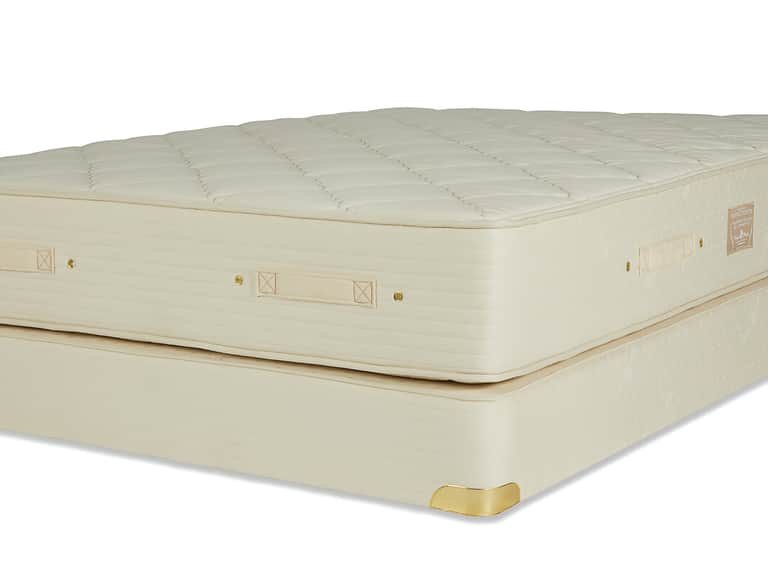
Royal-Pedic Natural Latex Quilt-top Mattress
A luxury option featuring a natural latex core wrapped in chemical-free wool and organic cotton. This is a high-end example of natural materials used in sleep surfaces, illustrating the interplay of latex, wool, and cotton in a single construction.
Brand: Royal-Pedic
Price: £5,974.00
Link: View product
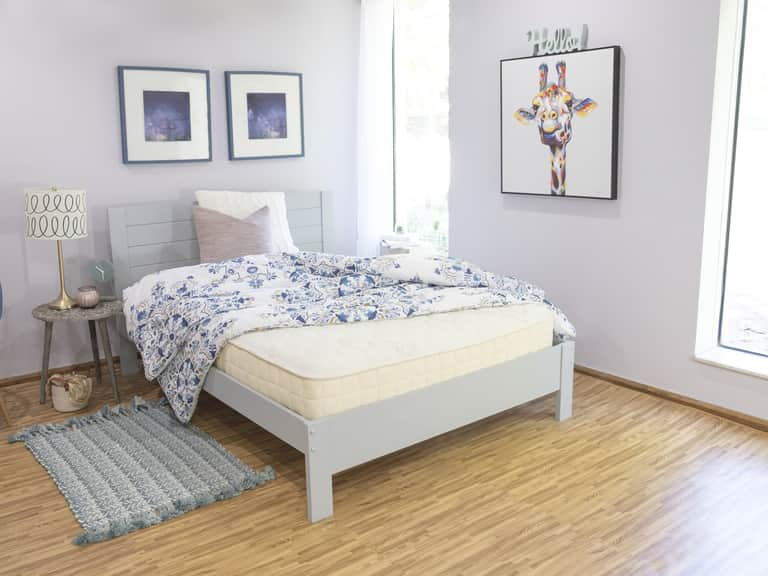
Naturepedic Verse Organic Cotton Kids Mattress
A child-focused organic option featuring encased coils and organic cotton filling, with wool quilted into the cover for temperature regulation and safety.
Brand: Naturepedic
Price: £999.00
Link: View product